

Another Hollywood Interlude
Cary Grant and Randolph Scott, a real Hollywood Love story

A second in a series of articles I wrote for Alterations that I wanted to share.
Old Hollywood, Sexuality, and the Nature of Secrets by Kate Maruyama
When I was researching my novel Alterations, it started with my love of movies from the 1930s and 40s. At the urging of writer friend Toni Ann Johnson, I went back into the films I was raised on by my film professor father: black and white screwball comedies, witty dialogue, romance, and the feeling that our protagonists were clever. I went to the local library and took out books on Hollywood characters I wanted to dive into: Barbara Stanwyck with her brilliant long career in which she had autonomy in a star system that didn’t usually grant that, Edith Head, the first woman head of a costume department in Hollywood, and Cary Grant, on whom I had a mad crush as I was growing up. He was both bumbling and debonair in Bringing up Baby, and his string of marriages, long career, and undying suavité fascinated me.
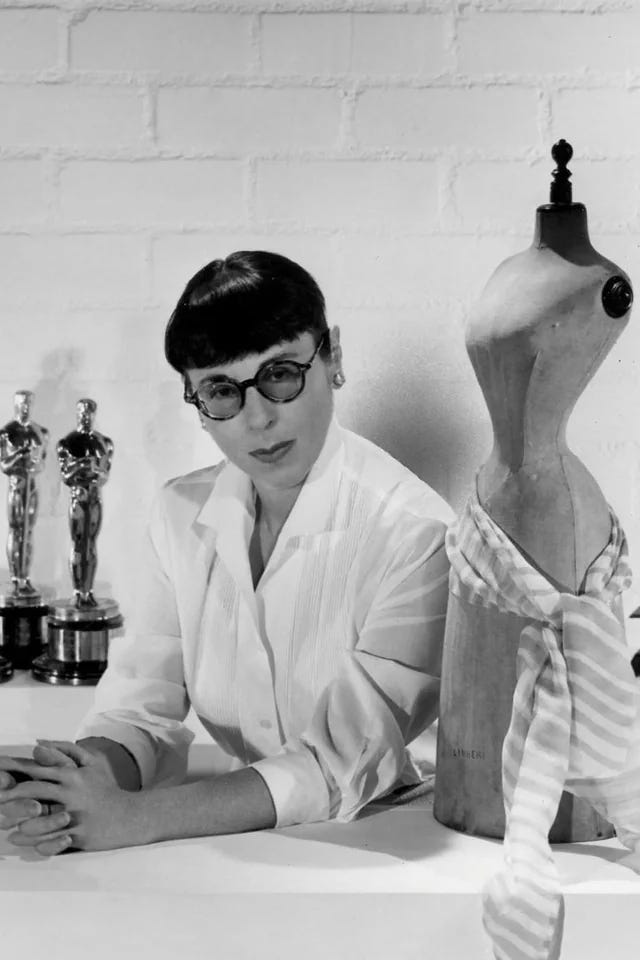
My book, so far, had a main character, Adriana, who was finding her working life as a seamstress for Edith Head in 1939 Hollywood. I had gotten Adriana as far as a casting call where Rose, a bit player who knows the notices the construction of her homemade suit and whisks her over for a better job as a seamstress of Edith Head. It was to be a fun, rollicking trip through Hollywood. As a gardener (George R.R. Martin’s nicer word for pantser,) I would write where the story led.
In the meantime, I was reading up on Stanwyck and her work ethic and kindness that propelled her to a bargaining position few women stars in Hollywood had in those days. In that book I also learned what a mean gossip Hollywood was, and that when women went out without men more than not this was referred to as “hen parties,” which at the time insinuated they might be gay, a career breaker at the time.
It was in Mark Elliot’s Biography, Cary Grant that my story took a turn. I read that Cary Grant, who originally hit US shores as Archibald Leach, a member of a British acrobatic troupe made his living as a male escort in New York. During that time, he was living with Orry Kelly a costume designer for Broadway, allegedly his lover. When Grant moved to Hollywood with Kelly who was getting work in the movies, he met Randolph Scott and the two fell immediately in love and shacked up together. It wasn’t that Grant was gay (or bi, fortunately sexuality is more fluid to talk about these days) that caught me. I was impressed that he could live with another public figure and they had a full spread in Screenland as “bachelors”—that they could get away with it simply because of stardom.
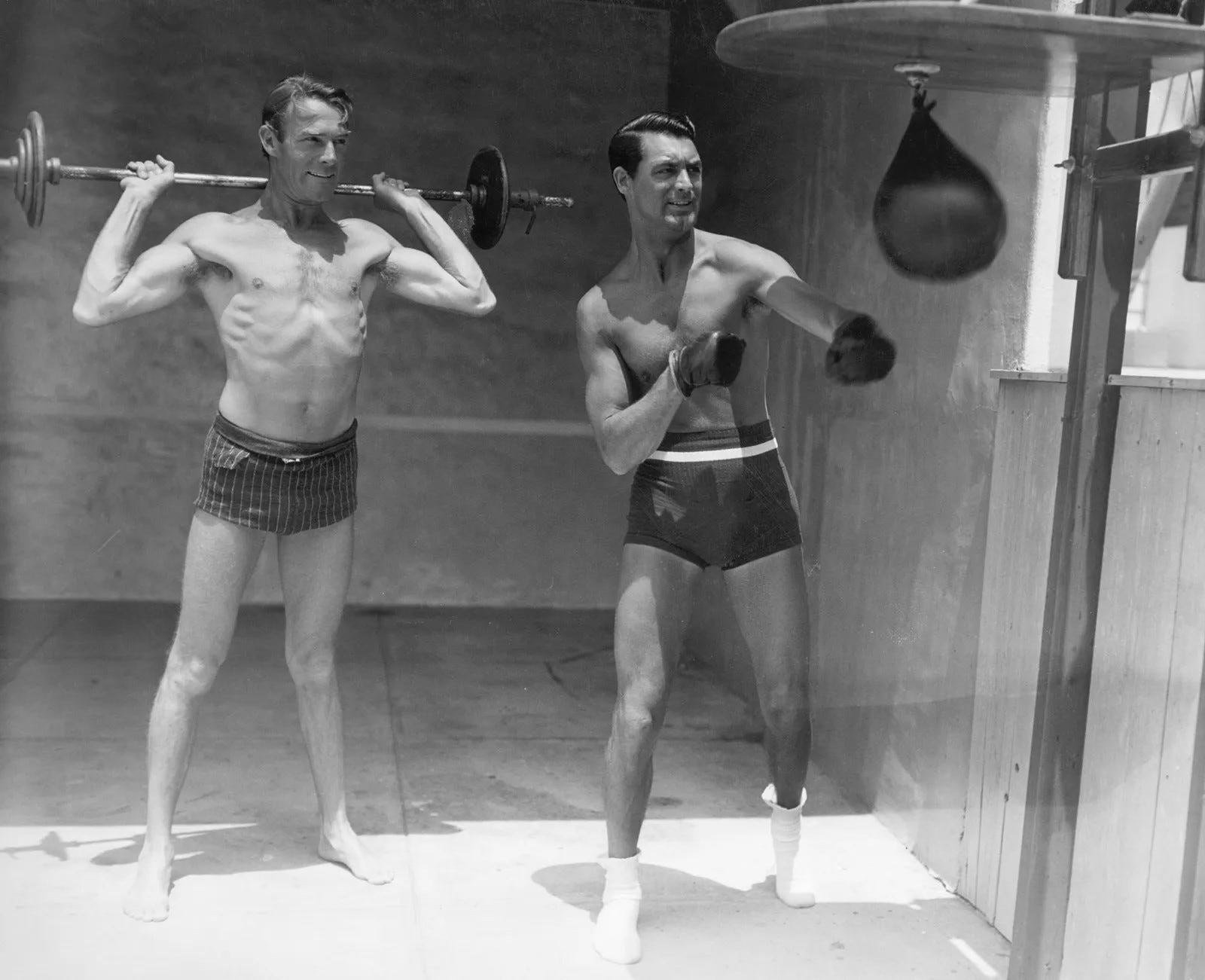
But it was when the studio started noticing these two as a couple that they worked to erase Grant’s sexuality in hopes of “protecting” their leading man. The push and pull of Grant’s career and his life, and the fact that he finally caved to being performatively hetero was heartbreaking. The first wife the studio found Grant was Virginia Cherrill in 1934 and when they went on their honeymoon cruise, Randy came along for the ride. When they moved into their first home, Randy did as well. Gossip wagged, but with the marriage present it didn’t seem to stick. Pressure increased over the next five years, through Grant’s divorce and while working on the last film they worked together in 1941, My Favorite Wife they were quite open about being together. No one knows what was their final breaking point, but they split up shortly thereafter. Speculation is that Grant had to choose between career and Scott.
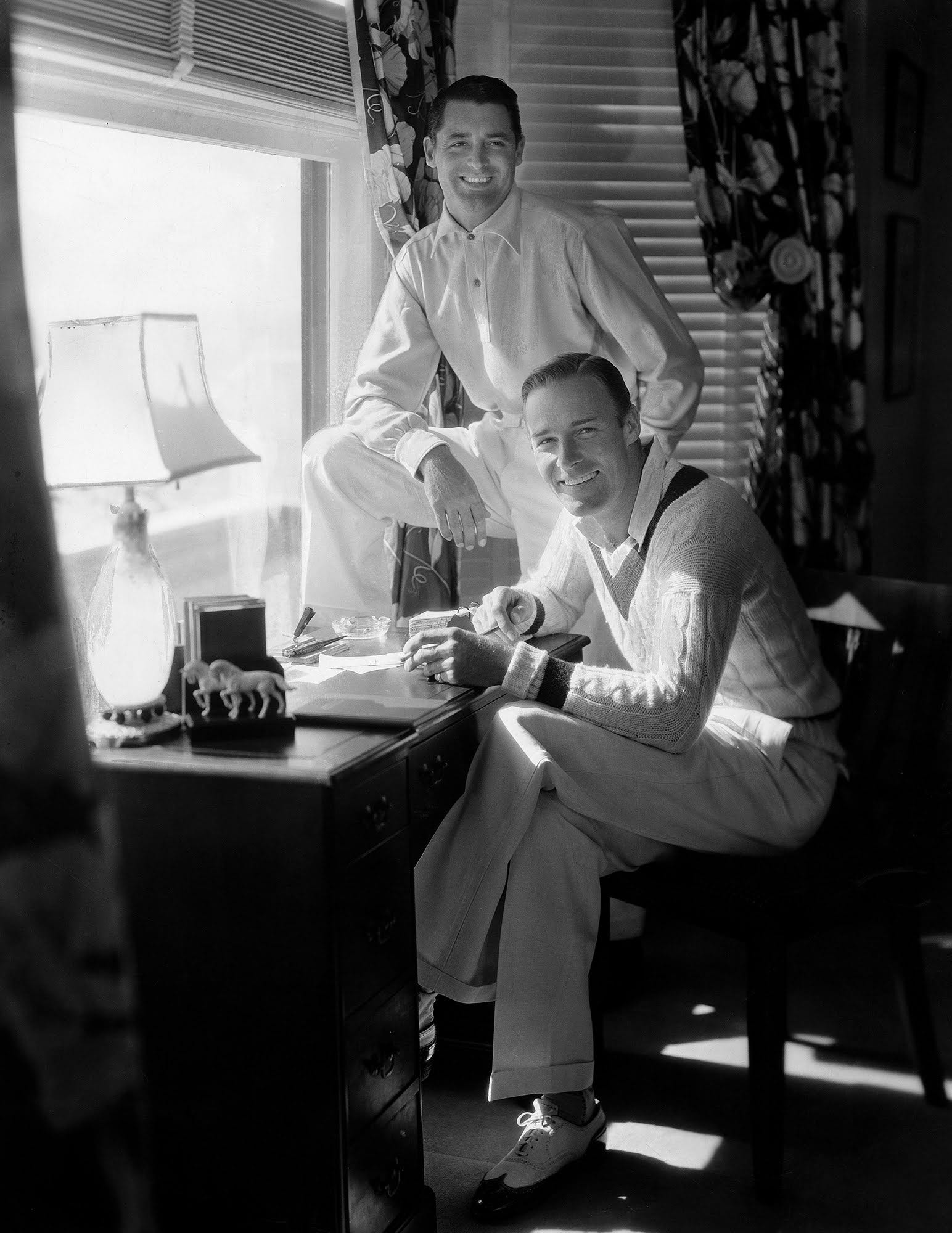
A seven-year consistent love affair and cohabitation was over. Scott went on to marry a woman in 1944, and Grant was married twice in the forties, five times overall. In the late 50s early 60s he underwent “treatment” with LSD at the urging of his wife Betsy Drake to psychologize his sexuality away. Alterations is about what’s lost when you can’t be who you are. In my book that lie has repercussions through three generations of a family.
I knew then that Rose and Adriana had to be in love, that they could live together as “roommates” and likely get away with it, as long as they were low profile. I had great, great Aunt, a reporter in the 1920s who lived her whole life in such an arrangement, known at the time as a “Boston marriage.” But when the job closes in, that is where the drama was to be found. It was important to me that the story not be only about the difficulty of being gay in a time when it was frowned on, but on that push and full of public perception and that subtle way that the world would let you get away with it to an extent. That tenuous space of being discovered, and the choices one could make.
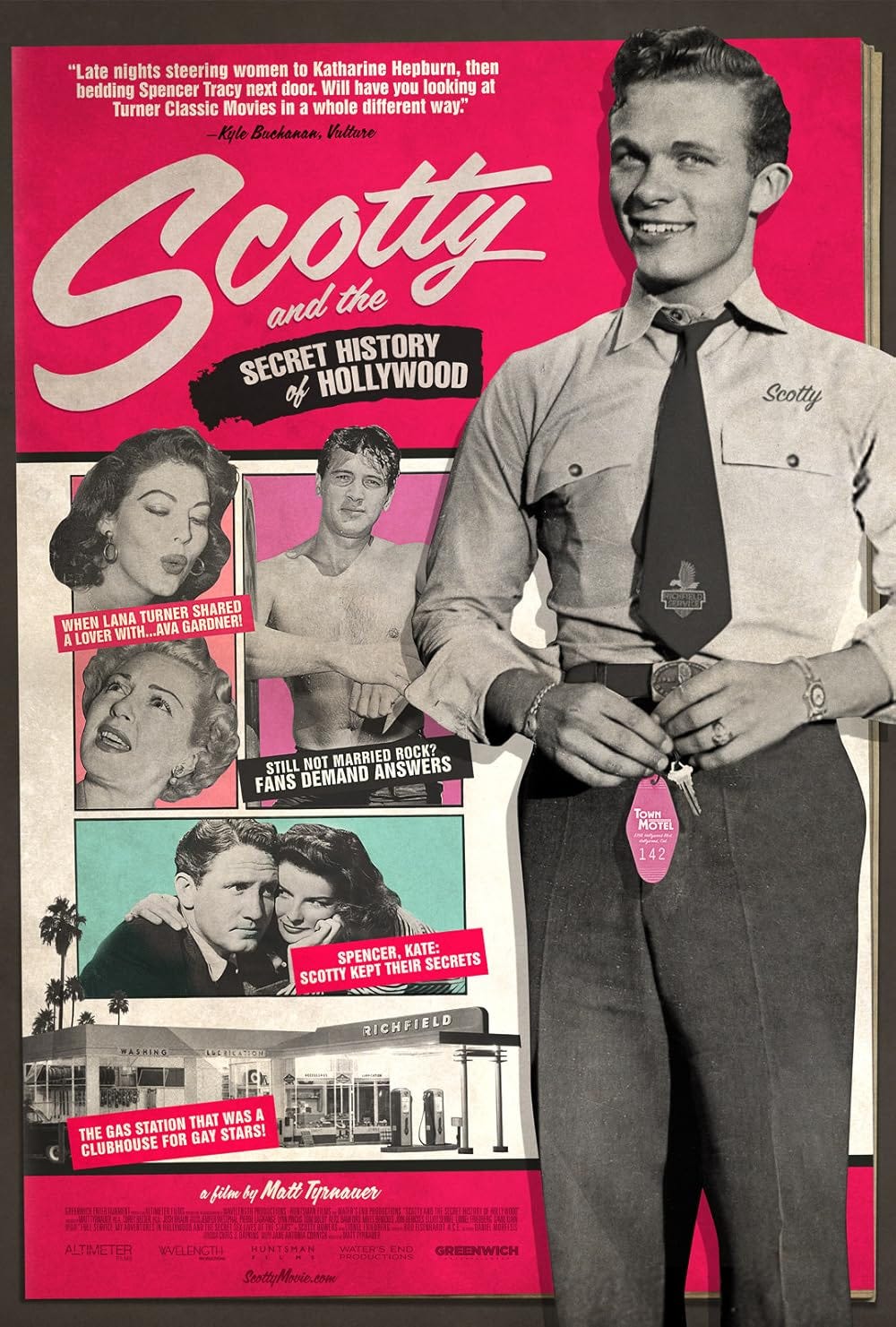
In Scotty, and the Secret History of Hollywood, Matt Tyrnauer interviews Scotty Bowers, who for years in the 40s and 50s, ran tricks out of a little gas station on the corner of Hollywood Blvd and Van Ness Avenue. He wasn’t a madam so much as he was a guy interested in supplying stars with what they needed…to be themselves in discreet locations, with anyone they wanted to be with. He kept the names and tricks on cards to keep track during the day, and at $20 an arrangement, he did quite well for himself, as did the men who worked for him.
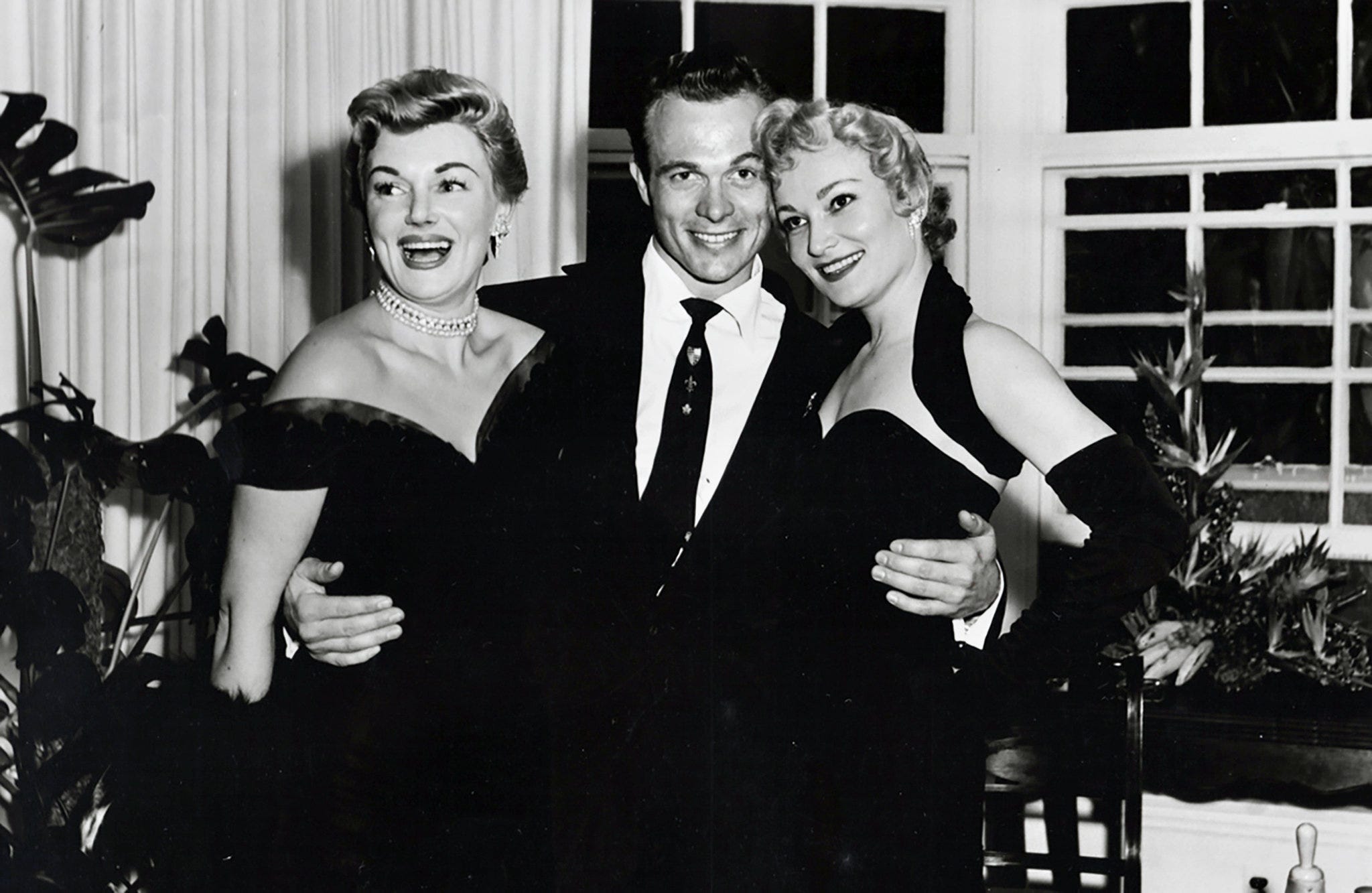
The documentary isn’t as much about the salaciousness of trysts in Hollywood, as it is about the oppressive nature of the public eye and how one guy, fresh out of WWII, allowed the stars under the glaring eye of the studio system to find a space where people could be themselves and shame was simply out of the question. There is so much love in Scotty’s recounting, and so much love among his friends who came up during that time, that despite sad side stories, you come away knowing the miracle of one single mind that had no patience for homophobia at a time in which it was rampant.
The heroes of that era should be Scotty Bowers and Randolph Scott, and others who thought that Hollywood’s prudish production code was ridiculous, that people were who they were in all their varieties, and that sex was part of life. Unfortunately, a lot of people got caught up in lies, career manipulations, and the pearl clutching career ruining idea of what was not done. Adriana and Rose’s story falls somewhere in between in that deadly space where things aren’t spoken of, until the whispers catch up.
